Description
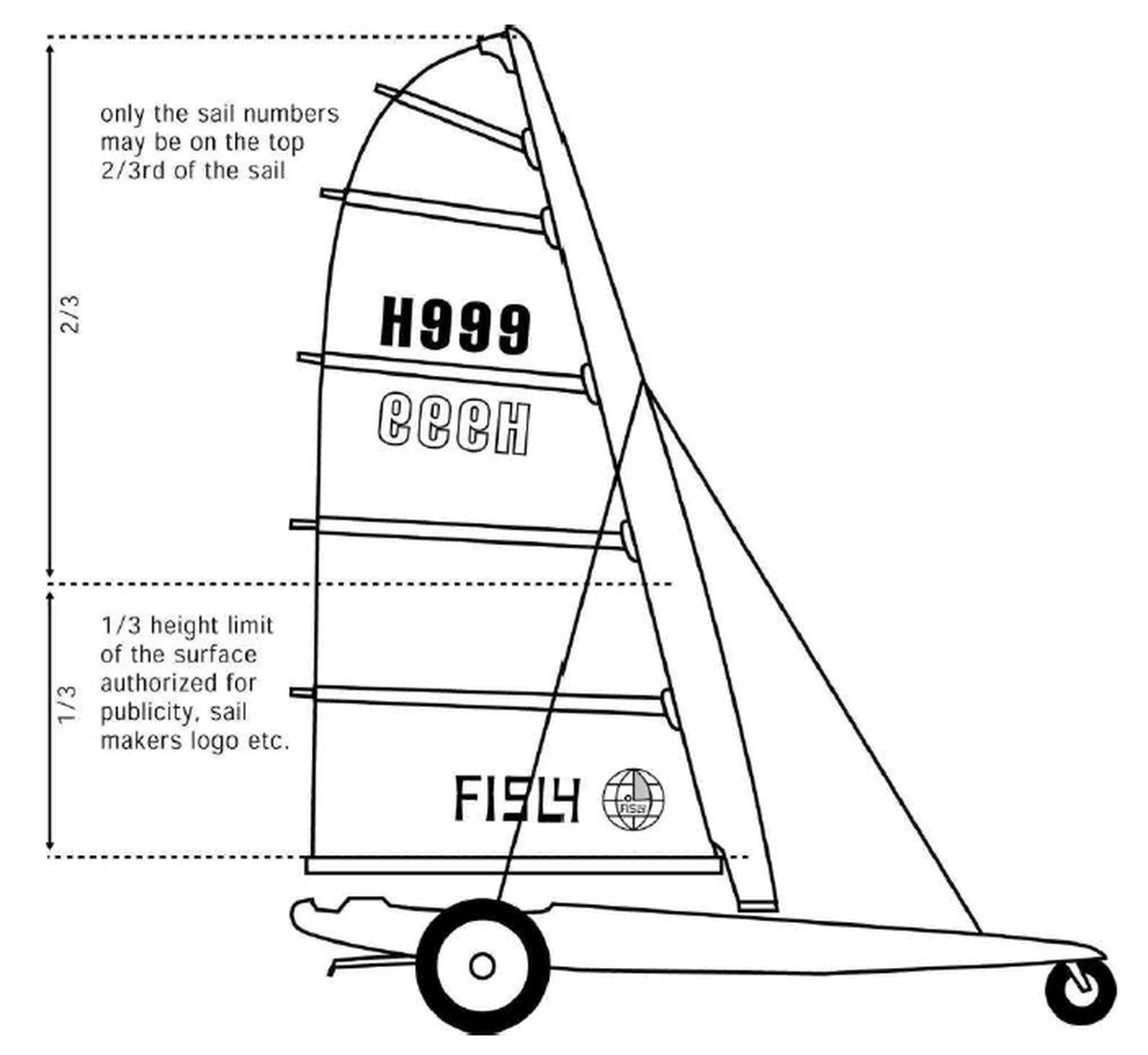
A land sailer (also called a land yacht, sand yacht, or Blokart-style vehicle) is a wind-powered, wheeled vehicle designed for high-speed travel over flat, dry surfaces like beaches, deserts, dry lake beds, parking lots, or hard-packed dirt—essentially a "sailboat on wheels" without needing water. Popularized in the mid-20th century and evolving from early sail wagons, modern land sailers typically feature a lightweight three-wheeled (sometimes four) chassis made of aluminum, steel, fiberglass, or composites; a fractional rig with a rotating wing mast and full-battened sail (often 5–12 m² depending on class); steering via foot pedals or hand levers; and no engine, relying purely on apparent wind for propulsion (speeds can exceed 3–4× true wind speed, with records over 100 mph in specialized setups). Governed by organizations like NALSA (North American Land Sailing Association) and FISLY (International Land and Sand Yachting Federation), they race in classes based on sail area (e.g., Class 5: ~49 ft² small/entry-level; Class 3: ~79 ft² high-performance; Class 2: larger/more powerful). Popular production models include the Blokart (compact, portable ~55 lb single-seater, easy 5-minute setup, ~$2,000–$3,000 range), Manta Single/Twinjammer (rugged, long-running US one-design from the 1970s–80s), Standart (European monotype, sleek and adjustable), Odyssey, and custom/trike-based designs for all-terrain or dry lakes. It's an adrenaline-fueled, eco-friendly sport—thrilling in steady winds (10–30+ mph ideal), with low cost to enter but requiring open space and safety gear.